There are leaders who change healthcare through the patient architecture of long-lasting systems rather than by making statements from corner offices. These leaders recognize that excellence isn’t a given. It is constructed brick by brick, in the places where human compassion and clinical precision coexist, where data informs rather than dictates, and where technology aids in healing rather than takes its place.
They recognize that profound innovations in healthcare emerge quietly from operating rooms running with clockwork precision, from nurses practicing at the height of capability, from digital systems that enhance rather than burden, and from frameworks turning individual excellence into organizational DNA. Manal AlDakheel belongs to this rare category of transformative leaders.
From Frontlines to Future: Leadership Forged in Clinical Reality
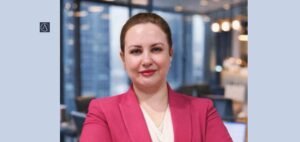
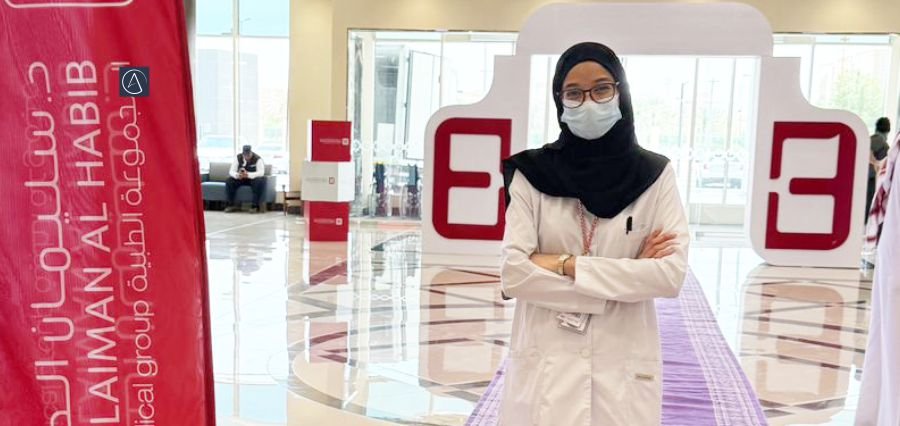
Within the Chief Medical Officer’s office at Dr. Sulaiman Al Habib Medical Group, Manal holds the title of Corporate Nursing Manager. Yet titles rarely capture the full scope of impact. Her position represents a reimagining of how nursing expertise shapes enterprise strategy, how frontline wisdom informs executive decisions, and how clinical excellence scales across healthcare systems.
The foundation of her leadership was laid in clinical environments where every decision carries weight measured in patient outcomes. As a charge nurse, deputy head, and head of division, she accumulated knowledge that cannot be taught in leadership programs. She learned that healthcare leadership begins with listening- deep, attentive listening that picks up subtle signals of what systems need, teams require, and patients deserve.
Those formative years inscribed fundamental truths. Operational decisions cascade through departments until they reach the bedside, where consequences become visible. Trust emerges from consistency, competence, and genuine care. Accountability takes on different dimensions when lives hang in balance. When leading cross-functional teams through service expansions, system integrations, and performance recoveries, Manal discovered healthcare leadership at scale requires fundamentally different thinking. These crucibles refined her understanding that effective leadership centers on outcomes rather than authority, on collaboration rather than control.
Her academic foundation began with a Bachelor of Science in nursing from King Saud University, earned with first-class honors, followed by a master’s degree in nursing administration from the same institution. This formal education was complemented by a Mini MBA from Alfaisal University, bridging clinical expertise with business acumen. Her commitment to advancing nursing practice extends to specialized certifications: she is a certified instructor for Universal Skills for Error Prevention by Press Ganey, and holds certification in Robotic Surgery platforms including DaVinci and Hugo Medtronic systems. This combination of rigorous academic preparation, clinical excellence, and specialized expertise positioned her uniquely to transform healthcare delivery at enterprise scale.
With over a decade of experience in highly specialized transplant services, Manal brings a rare combination of hands-on clinical expertise and operational leadership within complex healthcare environments.
Throughout her career, extensive hands-on involvement has been demonstrated across liver, renal, small bowel, and pancreas transplantation programs. Direct participation in multi-organ procurement and harvesting procedures has been undertaken in close collaboration with multidisciplinary surgical, anesthesia, and critical care teams, ensuring adherence to the highest clinical, ethical, and operational standards.
In addition to her clinical engagement within transplant pathways, significant contributions were made to the commissioning of the King Abdullah Center for Oncology and Liver Diseases (KACOLD) at King Faisal Specialist Hospital & Research Centre. Her involvement supported operational readiness, workflow integration, and the establishment of structured, high-acuity transplant services within a leading tertiary care institution.
Her professional journey reflects deep exposure to perioperative coordination, transplant program operations, multidisciplinary clinical governance, and system-level healthcare delivery. This dual foundation, grounded in hands-on transplant practice and strategic healthcare management, positions her with a comprehensive understanding of both clinical complexity and institutional execution.
Enterprise Architecture: Where Nursing Wisdom Shapes Strategy
In her current role, Manal operates in territory challenging conventional assumptions about nursing leadership’s scope. Her CMO Office position represents a fundamental reconception of how healthcare organizations harness nursing expertise as a strategic asset rather than operational resource.
She functions as a strategic translator, maintaining fluency in multiple organizational languages simultaneously. Manal speaks the language of frontline nurses navigating moment-to-moment care realities. She converses with clinical leaders wrestling with quality metrics. She articulates strategic priorities resonating with executives focused on organizational growth. This multilingual capability embeds nursing perspectives into enterprise strategy, ensuring boardroom decisions reflect bedside realities.
Manal’s influence ripples through corporate decisions spanning quality improvement, patient safety frameworks, clinical governance structures, and care model evolution. She translates clinical quality indicators, nursing-sensitive outcomes, and patient experience metrics into strategic insights guiding organizational direction.
Among her significant contributions sits standardizing clinical policies, care pathways, and professional practice frameworks across multiple hospitals. This requires navigating persistent tension: consistency enabling reliability balanced against local adaptation allowing contextually appropriate care. Manal’s frameworks resolve this through intelligent design, establishing enterprise-wide standards ensuring consistent outcomes while preserving frontline flexibility.
Her clinical transformation initiatives reveal how nursing expertise catalyzes system-wide change. Whether optimizing workforce deployment, developing competency frameworks, supporting digital health adoption, or leading performance improvement, she designs corporate-level interventions implemented through multidisciplinary teams, generating impact beyond departmental capabilities while keeping transformation anchored in clinical realities.
Digital Intelligence: Technology Serving Healing
Manal confronts contemporary healthcare’s defining challenge with uncommon clarity: integrating digital transformation with clinical excellence without allowing technology to overwhelm care’s human dimensions. Her approach reflects sophisticated understanding that technology represents means rather than ends, tools amplifying capability rather than substitutes for judgment.
Every digital initiative begins with clinical imperatives- patient outcomes and safety. Before systems go live, Manal ensures frontline nurses and clinical leaders shape them to reflect actual practice. This engagement prevents costly failures while supporting evidence-based care. She establishes rigorous clinical governance extending beyond technical implementation, defining standards, creating accountability structures, and establishing performance metrics aligned with quality, safety, and regulatory requirements.
Her systematic operating room optimization exemplifies how digital transformation, guided by clinical wisdom, simultaneously improves outcomes, safety, and efficiency. Manal led standardized policies spanning multiple hospitals, surgical safety checklists, case-classification standards, and turnover protocols, reducing harmful variation while creating predictable workflows enabling peak performance.
Her enterprise governance creates transparency through key performance indicators: on-time starts, cancellation rates, utilization metrics, adverse events, and nursing-sensitive indicators. Manal championed digital scheduling and performance dashboards where clinical governance shaped system design. By aligning case duration data, staffing skill mix, and real-time utilization tracking, she reduced avoidable delays while maintaining safe staffing and patient flow integrity.
Her commitment to technological advancement extends to emerging surgical innovations. Certified in Robotic Surgery platforms including DaVinci and Hugo Medtronic systems, she contributed to and guided the creation of comprehensive policies and competency frameworks for robotic surgery implementation across Al Habib Medical Group. As champion with the transformation team, Manal drove the digitalization of OR scheduling, ensuring that technological solutions serve both operational efficiency and clinical excellence.
Systems Thinking: Risk Management to Workforce Resilience
Manal’s experience leading perioperative services, catheterization laboratories, and commissioning functions gifted her with systems-level perspective on how risk emerges. Multi-specialty exposure revealed threats to patient safety rarely originate from isolated failures but from gaps between interconnected systems, coordination breakdowns at handoffs, and readiness deficits surfacing under pressure.
She recognized these services share common vulnerabilities: handoff failures losing critical information, technology integration challenges clashing with workflows, staffing competency gaps where complexity exceeds capability. This shaped her enterprise framework approach ensuring consistent standards for credentialing, equipment readiness, escalation pathways, and emergency response across high-acuity areas.
Commissioning services sharpened her proactive risk identification instinct. Manal champions structured readiness assessments systematically evaluating workforce capability, testing workflows, validating digital integration, and securing governance approvals before launch. She integrates simulation exercises, emergency drills, and scenario-based testing into routine operations, emphasizing low-frequency, high-risk events teams must handle expertly.
She tackles workforce sustainability, recognizing retention, capability development, and succession as an interconnected system. She builds retention through psychologically safe workplaces, manageable workloads, and flexible staffing. Through engagement forums, transparent communication, and visible leadership, she ensures nurses feel heard and supported. Her capability development supports structured pathways aligning individual aspirations with organizational needs. Manal’s succession planning identifies emerging leaders early, providing acting roles, project leadership, and formal education.
Vision Forward: Leading Through Next Evolution
Manal’s vision for nursing leadership beyond 2026 reflects technological realism and unwavering humanistic values. She anticipates artificial intelligence and predictive analytics transforming care delivery, with nurses leveraging AI-driven insights to anticipate patient deterioration, optimize staffing, and streamline workflows. She commits to championing ethical, evidence-based integration while ensuring staff develop skills for safe use.
Virtual care and remote monitoring will extend nursing beyond hospital walls. She envisions leadership establishing practice standards maintaining quality, continuity, and meaningful engagement across digital platforms. Interoperable data systems will redefine care coordination across settings. Personalized care models supported by genomics will require nurses leading interdisciplinary teams with advanced judgment. Manal emphasizes nursing leadership must guide technology implementation enhancing safety, equity, and human connection.
When addressing emerging Arab women leaders aspiring to reshape healthcare management and clinical governance, she speaks with authority from transformation achieved. She assures them their perspective represents genuine strength healthcare requires. Today’s healthcare demands leaders balancing clinical excellence with compassion, cultural intelligence with ethical governance. As Arab women, they bring lived experience, resilience, and deep understanding of community-centered care.
Manal counsels intentionality in building competence and confidence, investing in clinical credibility, understanding governance and finance, seeking mentorship across disciplines. She encourages speaking up, affirming their voices belong at decision-making tables. She emphasizes staying grounded in values- leading with integrity, empathy, and accountability.
She reminds emerging leaders that leadership concerns impact rather than perfection, encouraging them to lift others while rising and creating space for those following.
Manal’s journey demonstrates what becomes possible when clinical expertise combines with strategic vision, when local knowledge informs enterprise transformation, and when leadership serves purpose rather than position. Her work reshapes not just nursing practice but healthcare delivery itself, proving that leaders combining competence, conviction, and compassion can transform systems designed to resist change. She charts a path for the next generation- one honoring professional heritage while embracing innovation, valuing individual voice while building collective capability, and pursuing excellence while maintaining humanity at care’s center.