
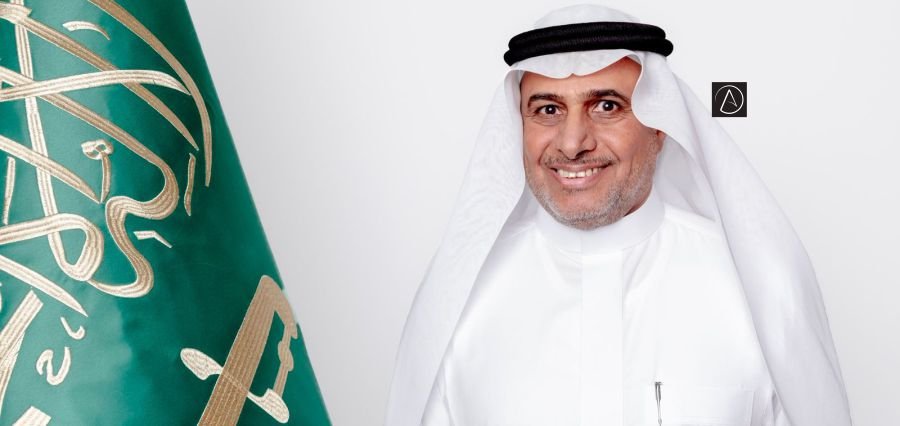
From the bustling docks of Saudi Arabia’s West Coast to the heart of strategic decision-making, Saud Tammah Alonaini has forged a leadership path marked by vision, perseverance, and transformation. As Vice President, Port Operation (West Coast) of Mawani Operations, his background includes years of experience in both the public and private sectors, where exposure to global best practices created a pragmatic, human-centered approach to leadership.
He effectively integrates transformational leadership with data-driven decision-making, resulting in a workplace that values both operational excellence and creativity. He emphasizes that technology is a tool for empowering people, not replacing them, and encourages teams to experiment with new ideas, hone skills, and implement modern methods that improve port performance. Under his leadership, West Coast operations have evolved into highly efficient, technologically advanced, and sustainable maritime hubs, establishing regional standards.
Driven by Saudi Vision 2030 objectives, his leadership goes beyond operations to promote collaboration, sustainability, and workforce development, ensuring that every project aligns with national objectives. His story is one of learning, mentorship, and dedication, showcasing how wise, experience-driven leadership can affect not only business but the future of the whole maritime industry.
Leading Through Transformation
Saud Tammah Alonaini’s leadership philosophy centers on two pillars: transformational leadership and data-driven decision making. This approach reflects the demands of Saudi Vision 2030, which requires port operations to evolve rapidly while maintaining operational continuity. He emphasizes motivation and innovation among teams, fostering an environment where excellence becomes the standard rather than the exception.
“The phase that Saudi ports are going through requires a special leadership philosophy,” he explains, highlighting how the CEO of the Saudi Ports Authority has championed this methodology across the organization. This top-down commitment to transformation creates alignment between strategic objectives and operational execution, ensuring that every team member understands their role in achieving national goals.
The maritime industry’s unprecedented evolution presents unique challenges. Ports have transformed from simple connection points between transportation modes into sophisticated global logistics centers. These hubs now facilitate value-added activities for seaborne goods and participate in strategic alliances between maritime transport centers worldwide. She recognizes that meeting these evolving demands requires a strategy that is firmly rooted in modern technology and innovation and tools that drive automation, reduce costs, and deliver high-quality services to all port stakeholders.
Forged in Experience
Saud Tammah Alonaini’s leadership style emerged from diverse professional experiences spanning public and private sectors. His career began with exposure to highly professional leaders from various nationalities, providing him with a global perspective on operational excellence. His extensive tenure in the private sector, particularly in leadership positions managing large teams and making decisions at multiple organizational levels, shaped his pragmatic approach to leadership challenges.
“Leadership comes from learning, training, and benefiting from the experiences of others,” he reflects, acknowledging the mentors and colleagues who contributed to his professional development. This humility, combined with his diverse background, enables him to lead with both confidence and openness to new ideas, qualities essential for navigating the complex maritime landscape.
Technology as an Enabler, People as the Core
Saudi ports have embraced advanced management systems powered by big data, artificial intelligence, container management platforms, and automated equipment operations. These technologies have increased the effectiveness and efficiency of loading and unloading operations while improving overall performance and competitive positioning. However, Saud Tammah Alonaini maintains that technology serves people, not replaces them.
“Despite the widespread use of technology in port management and operations, people remain at the heart of strategic decisions,” he emphasizes. Skilled and trained workforces handle, manage, and maximize the benefits of these technological investments. Specialized teams receive encouragement to generate new ideas and pursue qualitative innovations through workshops, training sessions, and knowledge exchanges with advanced ports worldwide. This human-centered approach ensures that digital transformation enhances rather than diminishes the workforce’s role.
Partnership and Collaboration
The transformation of Saudi ports relies heavily on collaboration between public authorities and private sector partners. Large local and international companies now develop and operate ports, contributing to improved performance efficiency and advanced technological capabilities. This partnership model has proven effective in accelerating infrastructure development while maintaining operational excellence.
Saud Tammah Alonaini views these collaborations as essential to achieving the Kingdom’s ambition of becoming a global logistics hub. Cross-functional teamwork both within Mawani and with external partners accelerates operational transformation and creates synergies that benefit the entire maritime ecosystem.
Sustainability and Environmental Stewardship
Environmental responsibility forms a strategic pillar of Saud Tammah Alonaini’s operational planning. Saudi port leaders adopt transformational leadership styles that prioritize sustainable operational models, improving environmental efficiency while promoting sustainability aligned with Vision 2030’s environmental protection objectives. This commitment reduces negative impacts on surrounding ecosystems while positioning ports as responsible corporate citizens.
Preparing for the Next Generation
Looking toward the future, Saud Tammah Alonaini recognizes that digital transformation and technological revolution have fundamentally changed job requirements. Individual skills, abilities, and knowledge of modern technology and languages have become essential prerequisites for future maritime leaders. “Today is an era of skills rather than certificates,” he notes, emphasizing the importance of continuous learning and adaptation.
A Collective Vision
Saud Tammah Saud Tammah Alonaini credits the achievements of Saudi ports to collective effort led by Eng. Sulaiman Al-Mazroua, President of the General Ports Authority, whom he describes as an exceptional leader. He acknowledges the unlimited support from His Majesty King Salman bin Abdulaziz, Crown Prince Mohammed bin Salman, and Eng. Saleh Al-Jasser, Minister of Transport and Logistics. This leadership constellation has created conditions for Saudi ports to become models for Arab and international facilities.
The West Coast operations under Saud Tammah Saud Tammah Alonaini’s stewardship demonstrate how visionary leadership, technological innovation, and human-centered management combine to create world-class maritime infrastructure. As Saudi Arabia continues its journey toward becoming a global logistics hub, leaders like he ensures that transformation remains purposeful, sustainable, and aligned with national aspirations, charting a course that will influence the Arab maritime sector for generations to come.