
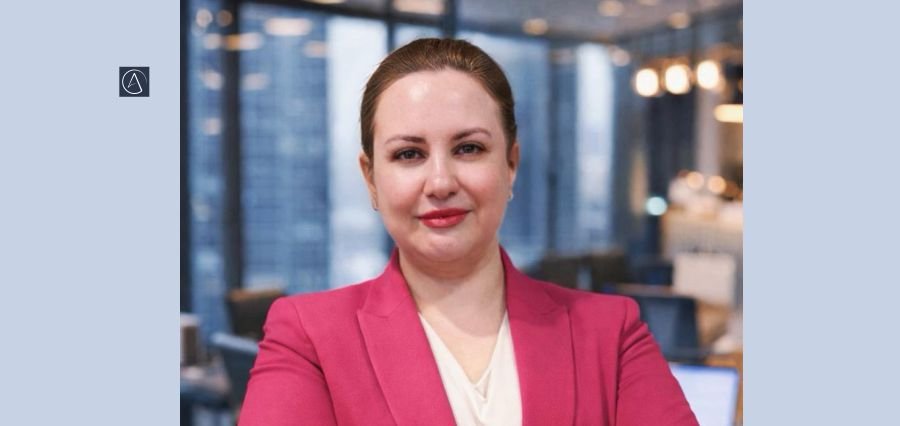
Leadership is created at times of uncertainty; it emerges from hard times rather than from times of stability. Mona Tavakoli’s story embraces humanity as it grows and finds its purpose. Her path is one that was built from years of hard work, perseverance, and dedication to put people first in leadership roles.
A leader can be molded by experiences during time of turmoil, but not during time of stability. An individual’s ability to be a leader is not always obvious at the moment; it comes from hardships and individual experiences over time. In an environment that values morality, compassion, and communication, she clearly demonstrates the significance of her journey of implementing change in the areas of growth, perseverance, and purpose.
Her journey shows how being able to learn from mistakes is a way to grow, honesty is used to build a successful relationship with employees and finding out what really drives a person, or company, can enable both parties to accomplish great things together.
Built After the Fall
Before Mona achieved her recognition as a leader, she was forged through failure. The year 2014 was a turning point when she was dismissed from a company she had built from scratch. The loss had both a professional and personal impact on her for a long time; she struggled with losing everything, feeling anger and resentment.
With time, she realized that rather than being at an ending point, it became her catalyst for creating something new. In that moment, she clearly understood that she needed to create her own entity.
In 2017, while continuing to work for another company, she started sharing her knowledge and experience by creating a Facebook page, which later also included Instagram. She committed to posting at least one valuable tip related to travel every day, which shows both how disciplined she is as well as her long-term view of life consistency over immediacy.
In 2019, after committing to two years of consistent posts. Her commitment led to the official establishment of her company, which had been her dream for many years. Her journey of creating something of her own has created the foundation for purpose-driven leadership, which is with intentionality and a willingness to rebuild through clarity
Leading with Perception
For Mona, leadership is a matter of perception and complete choice of whether to be a leader or manager. She believes that true leadership creates an overall positive impact on the people they lead in three ways: professionally, personally, and emotionally. “A true leader must add value to the spirit of the team,” she affirms.
In her opinion, true leadership is about strengthening the spirit of a team while providing something of lasting value like, tools, information, a new perspective, and the ability to identify and develop each member’s unique talents. Sometimes it just takes believing in someone and helping them build their own self-confidence to change the direction of their lives.
The beliefs of people are essential for true leadership to exist. Without trust and acceptance, the title of leader has no meaning. It leads to the question of how a leader gains acceptance from others.
She thinks that in the face of uncertainty and transition, the start of alignment is through an understanding of intent. The person who joins her team is someone who has a sense of purpose, regardless of whether they belong to a single organisation or role they may be in.
She strongly believes that individual and collective success are interdependent. The team members are not simply working towards her vision rather they are executing their own vision. When one team member is successful, then they are all successful.
“When I win, they win, and when they win, I win,” she expresses.
Principal Over Profit.
Throughout her journey, she stood firm on her values and ethics, which are non-negotiable even when she had a financial price to pay. As a result, unethical behaviour is not tolerated within the organisation. Effective leaders hold their ground on standards, particularly when an opportunity presents itself with conditions involved. “We must do our work so well that we earn the right to choose our clients,” Mona states.
Walking away from potential gain has shaped her leadership philosophy and refined her approach. For her, success without integrity is not real success, which is why she consistently chooses principles over profit in both her leadership and the culture she is building.
Stillness before action.
Mona knows that effective decision-making starts with slowing down and remaining calm in complex situations. She believes that rushing will destroy good decision-making. Therefore, by giving herself the time to pause, she can better combine factual information with her intuition and experience. She will make a thoughtful, deliberate and value-based decision rather than a rash, short-term pressure-induced decision.
Discipline Behind a Strong Culture
According to Mona, culture in an organization is how everyone acts every single day. Integrity, transparency, and fairness are not just things talked about when people are looking rather, they are things that employees do consistently, especially when the decision is unpopular or inconvenient.
Instead of declaring these as core values, she makes sure that every employee can feel those values across the organization. These values impact on how employees work together, how they communicate, and how employees hold themselves accountable to one another.
“Integrity, transparency, and fairness, these three principles are present in my work every single day, and I live by them,” she affirms.
As leadership continues to be more inclusive and purpose-driven, she believes that there needs to be a structure. The creation of space for multiple voices starts with intention during the formation of teams. At the same time, there must be clear boundaries regarding what is expected.
From her perspective, by having defined boundaries, individuals will not be limited; instead, they will have the trust and the support that they need in order to do their best work as part of a team.
How potential is recognized.
Mona believes talent isn’t written down. Resumes may show what you’ve done, but they don’t show what you are, how wisely you think, or how you might perform if you were to be under pressure. Rather, she chooses to evaluate someone based on the results of what they do, which she considers the most reliable measure of their capabilities.
Potential usually manifests during crises how an individual reacts when challenged, and how they formulate their thoughts and actions towards it. So, the focus becomes more about finding the right questions to ask someone at a timely point than it is about giving instructions. By using these questions, she identifies not only what someone knows, but who they have the potential to become.
The Practice of Becoming Better.
Certainly, a person being grounded is not by coincidence but rather a choice. Mona’s commitment to lifelong learning is an essential part of her routine, whether she is engaging in professional development or working towards her own personal development, she continues to develop herself as a leader who can continue to adapt and evolve as she leads.
An equally important area of focus is her commitment to her own inner work, including attending therapy for regular checkups and allowing herself to reflect and clarity, emotionally found in therapy, which she considers to be critical elements of leadership when leading through complex situations and under pressure.
Outside of work, she engages in all the elements of her life that provide her with a sense of balance and perspective like love and connection, playfulness, volunteering, meditation. Together, these elements form the foundation of her ability to lead with steadiness, humility, and intentionality.
A Leadership that Leaves Its Mark
For Mona, Legacy is not defined by accountability, but by the values maintained. She wants to be remembered as a leader who exemplified integrity, clarity and created a high standard of leadership through the establishment of trust, respect and purpose-based environments.
“I want my leadership to be remembered as it made people feel valued, confident, and inspired, not just while working with me, but long after our paths crossed,” she says.
Realizing her goal has never been just about leading, but to leave behind stronger organisations, healthier cultures, and more self-assured individuals. She feels that she can create impact through the way she first listens to people and chooses to act based on principles rather than personal convenience. More importantly, the way in which she helps develop confidence, growth and determination will provide her with the opportunity to create an extended impact beyond immediate results.