
Powering a Sustainable Future
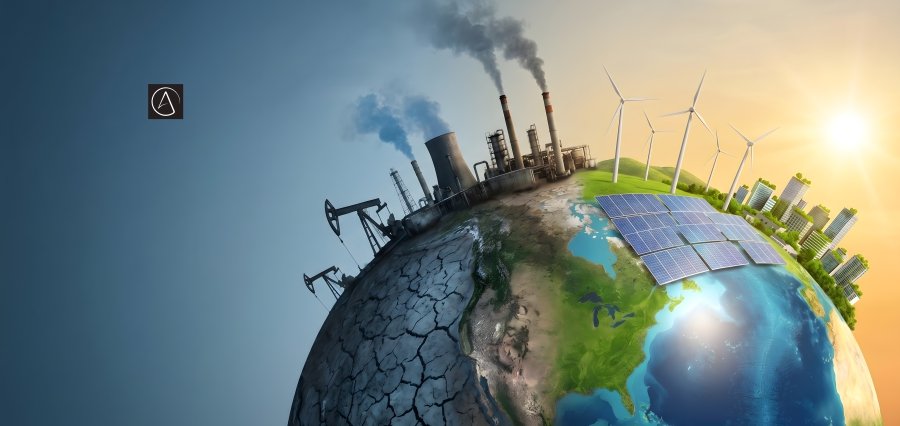
Each generation has its own infrastructure challenge, and this time the issue concerns the movement from non-renewable energy sources such as fossil fuels to more sustainable forms of energy generation. This problem influences all areas of the economy – from heating of houses to functioning of factories and transportation. Nations that were using mostly coal, oil, and natural gas switch their attention to alternative energy sources – wind and solar energy because any delays have economic and ecological consequences. It is already happening now; therefore, clean energy transition is not just a theory discussed by politicians anymore, but real process of transformation.
Setting Ambitious Yet Realistic Targets
Leadership in this area starts off by defining targets which are ambitious but not unrealistic and which take into consideration the limitations involved. Countries which have been successful in making any progress usually set ambitious targets for emissions reduction along with concrete plans regarding grid capacity, manpower and financing methods. Ambitious targets without proper plans are likely to be fruitless, but targets which can be measured ensure accountability. For a successful clean energy transition, this combination is very important.
Infrastructure as the Foundation
Any commitment in policies will remain inconsequential without proper infrastructure. The aging grid systems, which have been built years back with the aim of centralization of power from fossil fuels, find it difficult to cope with the fluctuating power supply from sources such as wind and solar. Improving infrastructure in terms of power lines, storage capacity, and distribution networks is an essential component of any step forward. Without proper infrastructure, even the most well-endowed renewable energy project will be unable to supply reliable power.
Financing the Shift
The role of capital remains one of the major elements that determines how fast countries can move away from using fossil fuels. Usually, government funding is not enough to finance the deployment of renewable energy on a large scale, so the role of investments and innovations in financing becomes very important. The use of green bonds, public-private partnerships, and climate funds has been part of addressing this funding problem. It is the countries with a good environment for making investments that attract more capital for their renewable energy projects and therefore move faster to their clean energy transition.
The Human Element
Technological advancement and capital investment alone will not suffice in making this transition happen; trained labour is necessary in order to construct, manage, and sustain these technologies. The training of the labour force from the conventional energy industries, the development of a technically educated labour force, and the establishment of career tracks leading towards these industries have just as much importance as wind turbines and solar panels. Economically disruptive this clean energy transition might be for communities that rely on coal mining and oil drilling; however, being honest with these communities makes the public more receptive.
Learning from Setbacks
Developments in this field have never moved in straight lines. Grid failures, project delays, and policy reversals have challenged countries that are trying to develop their renewable energy sector, giving them important insights into how things work or don’t work. Instead of using these experiences to justify retreating from ambitious plans, good leaders see them as chances to enhance their strategies and implementation processes. Openness about failures, combined with an ability to change direction, results in more sustainable achievements than sticking to the initial plan no matter what happens.
What Comes Next
The route ahead calls for dedication rather than bursts of motivation associated with elections or brief funding opportunities. The ability of countries to plan and invest over the long term in both technological and human capacity will be what will separate the winners from the losers in the race to make this transition. International collaboration by learning from each other and sharing ideas can allow all countries to progress more quickly and not struggle with the same challenges independently. The stakes become higher with increasing global demand for energy, meaning that whoever is prepared to invest in infrastructure, finance, and human capacity now will set the course for global power in the coming decades, becoming true leaders of this inevitable change.