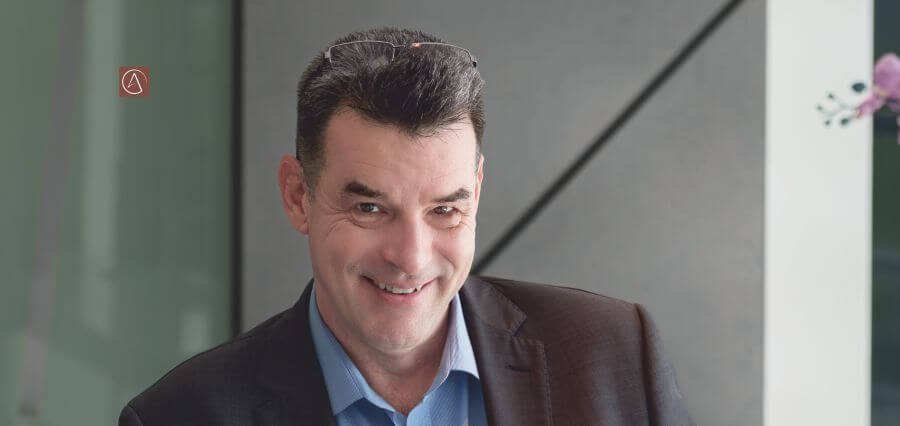
Leadership often emerges in moments when complexity demands both vision and precision. Effective leaders are those who draw meaningful lessons from their experience and translate them into purposeful action. While some leaders cultivate their leadership style in boardrooms and executive offices, Jens Schuster has developed his through the complex intersection of hospitality, technical services, and executive leadership. In his current role as Chief Executive Officer of Palm Exotjca, Jens brings together operational discipline, strategic thinking, and a strong understanding of people.
Jens’s concept of leadership is not based on a single person or one defining moment in his life. Instead, it has evolved through years of experience across different fields. His experience in hospitality taught him that every professional decision can ultimately shape the human experience. His work in technical services reinforced the importance of reliability, safety, compliance, and performance, showing him how these factors influence business confidence, operational continuity, and long-term success.
Palm Exotjca: Creating the Destination
Jens’s approach to leadership carries greater significance given the scale of the project he now leads. Palm Exotjca is positioned as a luxury residence collection and world-class hotel on the shores of Watamu, Kenya, overlooking Turtle Bay on the Indian Ocean coast. The company describes its vision in a simple phrase: “Creating the Destination.” Its centerpiece tower features a facade mesh inspired by the tribal artistry of the Maasai, one of Kenya’s oldest communities. The design brings cultural heritage into a contemporary form created by an international team of architects, designers, and builders.
The project’s ambition extends beyond hospitality. Palm Exotjca aims to support local market development by attracting further investment into Watamu’s real estate, tourism, and infrastructure sectors. Local employment is also a key priority. The company expects the project to create jobs throughout approximately four years of construction, followed by long-term opportunities for skilled hospitality workers. These efforts will be supported through partnerships with local construction and transport companies, as well as the use of Kenyan materials and services.
As a gesture of appreciation to the Watamu community, which supported the project from its early stages, Palm Exotjca also plans to establish and manage a professional training school for hospitality and catering. The initiative is intended to give young people greater access to career opportunities in one of Kenya’s growing sectors.
Sustainability is another important part of the project. The development plans include a waste management and recycling complex, water-purification facilities, and other advanced alternative energy generation and preservation solutions. These facilities are intended not only to support and enhance the project but also to benefit the surrounding villages.
Guests will experience, in its truest sense, a destination featuring an iconic arrival, a multi-purpose function and convention center, artist-in-residence galleries, a breathtaking rooftop experience, several international restaurants and bars, dedicated beach clubs and entertainment centers, and a wide range of children’s experience and education venues. The entire project is designed to international five-star luxury standards, with an operating brand soon to be announced. The company also aims to ensure the region’s character influences every aspect of the guest experience while celebrating Kenyan culture with authenticity and respect.
A Philosophy Built on Purpose
When Jens explains his leadership philosophy, he uses a simple formula: clarity, capability, and ownership, which he calls CCO. He believes people perform at their best when they understand the purpose of their work, know what excellence means, and feel trusted to make a meaningful contribution. His role is to set a clear direction, remove obstacles, provide the necessary resources, and hold himself and his teams accountable for results.
Jens’s leadership approach is built on several core principles. Integrity means doing what is right, especially when decisions are difficult. Safety and well-being remain priorities because no business objective should compromise people. Guest and stakeholder focus ensures that decisions protect and improve the experience delivered. Accountability supports empowerment through clear responsibilities and measurable outcomes.
Respect is equally important in this leadership approach. It means maintaining high performance standards while treating every individual with dignity. Sustainability guides decisions that protect resources, assets, reputation, and long-term value. Continuous improvement also remains central to this philosophy. Past success should never lead to complacency. “Leadership is not the exercise of authority; it is the disciplined use of influence,” he says*.*
Leading Through Uncertainty
Uncertainty is a constant part of leadership. Jens approaches it through a clear and deliberate process rather than relying on instinct alone. He begins by creating structure before seeking certainty. He defines the issue, separates facts from assumptions, and identifies what requires immediate attention. He also consults specialists and people close to the operation. Their technical knowledge and frontline experience can reveal risks that may not be visible through executive-level information.
When faced with a difficult decision, he considers several factors. These include life safety, guest experience, employee well-being, regulatory compliance, asset protection, financial exposure, reputation, and business continuity. He also distinguishes between reversible and high-consequence decisions. Reversible decisions can often be made quickly, while high-consequence decisions require stronger governance and careful consideration.
Perfect information is rarely available. Jens does not wait for complete certainty before acting. Instead, he makes the most responsible decision based on the evidence available. He explains the reasoning behind the decision and establishes clear points for review and adjustment as circumstances change.
“Decisiveness should never become recklessness, but analysis should not become an excuse for inaction,” he says. When conditions change, he adapts without defensiveness. He believes effective leadership is not about always being right. It is about remaining accountable, responsive, and willing to make informed decisions.
Earning Trust Through Action
For Jens, trust is not something a leader can create when a difficult message needs to be delivered. It must be built over time through consistency, visibility, competence, confidentiality, and follow-through. People need to know that words and actions will remain aligned, both when performance is strong and when circumstances become challenging.
When difficult information must be communicated, Jens believes in being honest and direct. He explains what has been decided, why the decision was necessary, what alternatives were considered, and how people may be affected. He avoids vague language while ensuring that difficult messages are delivered with empathy and respect.
Disagreement is also an important part of his leadership approach. He encourages constructive discussion and listens to different perspectives. He then guides the conversation toward shared objectives. Evidence and organizational values help shape the final decision.
Once a decision has been made, Jens takes personal responsibility for the outcome. He does not shift responsibility to the board, the market, or another department. People may not always agree with a decision, but they should feel that the process was transparent, respectful, and fair.
Empathy as a Leadership Skill
Jens does not view empathy, active listening, and open communication as simple interpersonal skills. He considers them essential elements of effective leadership. Leaders work with people who have different areas of expertise, responsibilities, pressures, and communication styles. Empathy helps him understand these different perspectives while maintaining high performance standards.
Active listening has a practical role in his leadership approach. It can reveal issues that operational reports may not show. These may include emerging safety concerns, employee fatigue, recurring guest concerns, inefficient processes, or ideas that could create meaningful improvements. He listens carefully to understand the situation and then confirms his understanding before taking action.
Open communication also helps create psychological safety across the organization. When employees can report mistakes, question processes, or raise concerns without fear of retaliation, the organization becomes safer and more resilient. It also strengthens collaboration across operations, engineering, finance, technology, commercial teams, and ownership.
However, empathy does not mean lowering standards. Understanding an individual’s circumstances should support a fair and constructive response. It should not remove accountability or excuse poor performance. This balance allows empathy and responsibility to work together as important elements of strong leadership.
Redefining Innovation
For Jens, innovation means turning insight into measurable value. It is not about using technology for its own sake or introducing change simply to appear progressive. Genuine innovation should make operations easier, safer, smarter, more sustainable, and more efficient. It should also create a more memorable experience for guests.
Innovation can take many forms. It may involve predictive maintenance, intelligent building systems, energy optimization, or improved service processes. It can also come from a simple idea shared by a frontline employee. Such ideas can reduce waste, improve efficiency, or prevent recurring problems.
Jens believes leaders should create an environment where curiosity and new ideas are encouraged. At the same time, experimentation should be managed responsibly. Before supporting a new idea, he asks three important questions: What problem are we solving? What value will it create? How will we measure success?
For Jens, innovation must have a clear purpose. It earns its place when it improves the guest experience and strengthens the organization’s long-term resilience.
Building Future Leaders
Jens’s approach to talent development looks beyond current performance. He believes potential can be seen through curiosity, sound judgment, resilience, emotional intelligence, and a willingness to take responsibility. The most visible person in a room is not always the person with the greatest potential.
Development begins with understanding an individual’s goals and identifying the skills they need for their next step. Jens supports development through coaching, mentoring, cross-functional experience, formal education, succession planning, and challenging assignments that involve real responsibility. For example, a high-performing engineer may need opportunities to develop commercial awareness and people leadership skills before taking on a broader role.
Supporting people does not mean protecting them from every difficult situation. It means providing the preparation, authority, and guidance they need to succeed independently. “The true measure of leadership is not how dependent a team becomes on its leader, but how capable it becomes without constant intervention,” he says.
This approach helps build confident professionals who can make decisions, solve problems, and take ownership. It also creates stronger teams that can perform effectively without constant supervision.
Resilience Under Pressure
When reflecting on his most challenging leadership experience, Jens describes a period of intense operational pressure. The situation required him to protect safety, maintain service continuity, support employees, and preserve stakeholder confidence at the same time. Limited resources and changing priorities required quick decisions with significant consequences.
The experience gave him an important leadership lesson. During a crisis, a leader’s presence becomes part of the overall control environment. Teams observe not only the decisions a leader makes, but also how the leader behaves under pressure. Calm leadership creates focus. Visibility builds confidence. Honest communication reduces uncertainty and prevents speculation.
Following this experience, Jens placed greater emphasis on clear command structures and consistent communication. He also remained accessible to frontline employees throughout challenging situations. He learned that recovery does not end when normal operations resume. Leaders must review the root causes, recognize the people who helped the organization through the disruption, and ensure that important lessons are applied in the future.
Above all, the experience strengthened his belief that leadership is a form of stewardship. Every decision can affect people’s livelihoods, safety, and the reputation that an organization may have built over many years.
A Defining Milestone
Among his accomplishments, Jens considers one transformation particularly meaningful. He helped teams move from reactive habits to proactive ownership. By aligning technical services, operations, and commercial priorities, he strengthened preventive practices and improved communication across functions. These efforts helped create a more reliable and confident organization.
The results were clear. Asset performance improved, service continuity became stronger, risks were reduced, and cost control improved. Guest satisfaction also increased. However, Jens considers the cultural change to be the most important achievement.
Team members began identifying potential issues before they became serious problems. They became more willing to challenge inefficiencies and contribute ideas. They also began to view themselves as strategic contributors rather than support staff.
This cultural shift is important because sustainable performance cannot depend on one executive. When people understand the purpose behind standards and processes, they can continue improving the organization over time. The impact therefore extends beyond a single project, position, or period of leadership.
A Legacy of Impact
When reflecting on the true meaning of leadership, Jens focuses on a familiar principle. Leadership is not defined by the importance of a title. It is defined by the strength, confidence, and character developed in others. Titles may provide authority, but trust creates genuine influence.
Jens hopes to leave an organization that is safer, more resilient, more innovative, and committed to exceptional hospitality. He also wants to be remembered for setting high standards while remaining accessible, fair, and approachable. He aims to build a new generation of leaders who think strategically, act with integrity, support their colleagues, and protect the assets and operations entrusted to them.
At the heart of this philosophy is a simple belief: behind every system, asset, and performance measure is a guest experience. Behind every guest experience is a human story.