
Exclusive Concepts
Luxury catering is undergoing a meaningful shift because people around the world now want to experience exceptional moments, not just the products. Today, catering has become much more than just food service at luxury events, as the exclusive, personalized and convenient nature of the premium lifestyle economy has defined the value. This change is indicative of the consumer expectations, where luxury is no longer just about quality. The luxury catering solutions are increasingly playing a pivotal role in catching the attention of high-value clients through customization and personalization in the ever-evolving industry.
The rising wealth and prosperity in emerging markets is expected to drive a growing demand for quality in catering services. Consumers demand certain menus these days that meet their dietary needs, cultural heritage and health goals. Meanwhile, sustainability and experiential dining are key to luxury positioning, while ethical sourcing is increasingly at the heart of the conversation. The future of luxury catering is a balance between indulgence and responsibility, and of highly curated, memorable experiences, both for private events, corporate events and destination events.
Customization Shift
Customization is certainly one of the biggest trends of the luxury catering industry. Menus are increasingly becoming personal, reflecting not only personal identity, but occasion-specific stories and even emotional themes, to the increasing demand of high-net-worth individuals and premium corporate clients. Caterers are adapting by incorporating culinary design and catering data, which allows the chef to create a personalized dining experience for the client, instead of offering a standardized gourmet menu. Advanced client profiling and digital consultation tools also facilitate this change.
Luxury caterers are leaning into technology so they can peek at the fine-grain details of what people want to eat. Interactive menu design platforms and AI driven taste mapping are tools luxury catering firms can use to get a clearer idea of what their clients like. Lately this trend has shifted the whole focus of a catering provider from simple transactions into a more consultative approach, and in the process the chef ends up acting less like a cook and more like a culinary curator. They build experiences that go past just taste; experiences that help people form a memory, and a meaningful narrative that stays, even after the event is over.
Tech Integration
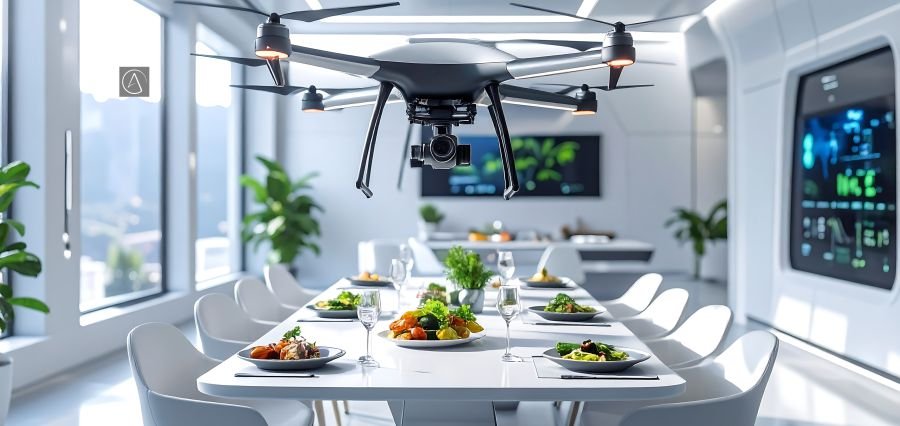
Luxury catering is going through a transformative shift in how it works, mostly because of technology, not just tradition. With smart kitchen systems, automated inventory tracking and precision cooking tools in place, caterers can keep food results more consistent and still protect quality, while boosting overall speed. Caterers are also using virtual reality, and augmented reality tech to give clients the chance to preview event layouts table settings and even menu presentation way before the actual event takes place.
Luxury catering services are getting a lot more modern, with digital transformation, The whole point now is that catering companies can be much more responsive and offer a more individualized client experience. With smooth booking platforms in place, plus real-time custom dashboards for events, and even quick feedback tools right away, everything feels more connected and efficient, not just polished for a moment. These enhancements can improve the convenience for clients and allow service providers to tailor and adapt their services as they go. As the whole industry keeps evolving, integrated digital ecosystems seem likely to become a real defining norm in high-end catering.
Experience Focus
The luxury catering industry is now shaping up to be more than a provider of food; it’s about creating an experience. Clients today are looking for events that impact several senses, including the environment, scent, music, visuals and themes. This has led to the emergence of experiential dining concepts, where each course contributes to a larger narrative designed to evoke emotion and deepen guest engagement.
Meanwhile, destination and pop-up formats are also becoming popular in luxury food and beverage offerings, offering a chance to brand for a very exclusive dining experience in unexpected places. Elite consumers increasingly seek exclusive private island events, heritage venue dining experiences, and bespoke outdoor culinary installations. These formats enable catering companies to distinguish themselves by using creativity and space innovation to make food part of a luxury lifestyle experience, instead of a stand-alone product.
Conclusion
With consumers increasingly wanting a luxurious experience, luxury catering becomes a growing force in the premium lifestyle economy. Catering companies are no longer just about providing amazing meals, but they are now required to create a sensory experience, combining culinary skills, innovation, design and flawless service. Personalization will continue to evolve, and technology will be integral to the service, making luxury catering solutions another benchmark in how high-end events can be expected to look and feel the part on a private function, corporate event and destination experience.
In the future, luxury brands in the catering sector will depend on their ability to combine creativity with adaptability and their ability to align with the changing trends in wellness, sustainability, and immersive experiences. Businesses that deliver the most refined experiences without giving up on quality, authenticity, or efficiency are the ones that are positioned to propel the next wave of growth. As the status quo, and aspiration marker, luxury catering solutions will continue to keep a pivotal role in helping make those memorable moments and enhance the overall luxury lifestyle experience, more and more.